|
|
|
|
|
Ever have a drug free psychedelic experience?
One day while driving down a local road, I was struck by how the "frame" of my windshield edges was like the edges of a canvas, and inside was the art. I saw a gorgeous work of clouds, power lines, tree boughs, buildings and birds.
|
Then there was another painting, then another. Art in motion like a tracking dolly shot on a movie set, each frame perfect, full of color and light and ever-changing positioning. It reminded me of editing celluloid film and noticing how with good cinematography, every frame is it's own work of art*.
|
Fortunately, for the sake of safe driving, I was able to shake this experience as fast as it came. I count myself lucky to sometimes see things this way– in re-collectable snapshots, images that can be drawn from later. And, this is a learnable skill with side benefits if you'd like to try it (but not while driving!).
|
Why go wide?
Taking a wide compositional view of whatever is in front of you encourages your eyes to get out of hard focus mode. Wide peripheral vision is also a sign to your body to relax, it's the opposite of "fight or flight" hard focus, when our field of vision narrows.
|
Even though peripheral vision engagement does not "cause" relaxation, it usually correlates with relaxation – so mindfully choosing one aspect of an beauty-seeking relaxed state, can sometimes cue your mind and mood to follow suit.
|
If you'd like to try there are a few prompts below. Mostly this kind of seeing is an attentional thing. And in a world with many stimuli, where you direct your attention matters for your overall well-being. It certainly does to mine.
|
For a few minutes, you can try walking through space noticing the wide-angle lens of what's around. With your peripheral vision engaged, and an artist's desire to notice shapes, colors, and movements in a big view, you'll gain a subtle perspective that may also create a sense of subtle inspiration. Especially if you are nature.
You could also call it this: seeing with love and wonder.
|
What is composition?
In art education, composition is one of the primary components in understanding a work of art. Composition refers to how a subject is framed inside the canvas edges, and helps us understand the artist's way of noticing space, background, color, shapes, light and subject. How one places things inside the parameters of a frame can also leads the viewer's eye on a particular path through the work. IE, composition can create subtle movement.
|
Seeing composition also helps us communicate about what we see in terms richer than "like" or "don't like." That's the gift of having an art education: language and detailed, nuanced naming conventions to communicate perspectives.
|
Anyone's eyes can be trained this way too: to notice with peripheral vision engaged. What do I see first, what do I notice second, what's the path my eyes try to follow? That's a good start.
Every moment you are looking out of your own eyes, you can notice something interesting, then another, than another. To do so, first you need to find the edges of your vision (yes, it's a stretch into the peripheral-- but you got this!), then you take in what you see, maybe naming to yourself light, color, shapes...
|
Since you are looking at a screen, try first making the screen more like a blurry dot in the middle of a larger scene.
|
Is there color? Shape? Are your eyes prone to moving or being still? How do you feel seeing the space around and beyond the focus material? How are you breathing?
|
Did your ears open up? (Mine did, there are tons of birds around today)
|
You don't need to be on a trip to see such things. Beauty is here and now, even as I observe black characters marching across a white screen.
|
I hope you can try this little experiment and notice tree leaves rustling or clouds drifting by, or maybe inside your home or work space too.
|
Where's the best place to practice seeing? You can do this anywhere, but I encourage you to practice this in nature for sure. Go for a walk, park near the water, stare at the clouds, water some flowers, tend to food or friends or family while you widen your attentional perspective for a lovely little beat.
|
Yeah, we all need some wide-eyed wonder on occasion.
|
Wes Anderson's compositional style is so consistent you can refer to "Wes Anderson's symmetry", and everyone knows what you are talking about. This is an easy way to see mindful choices made in composition, in motion.
|
|
|
|
More Text & Images
|
|
|
|
|
|
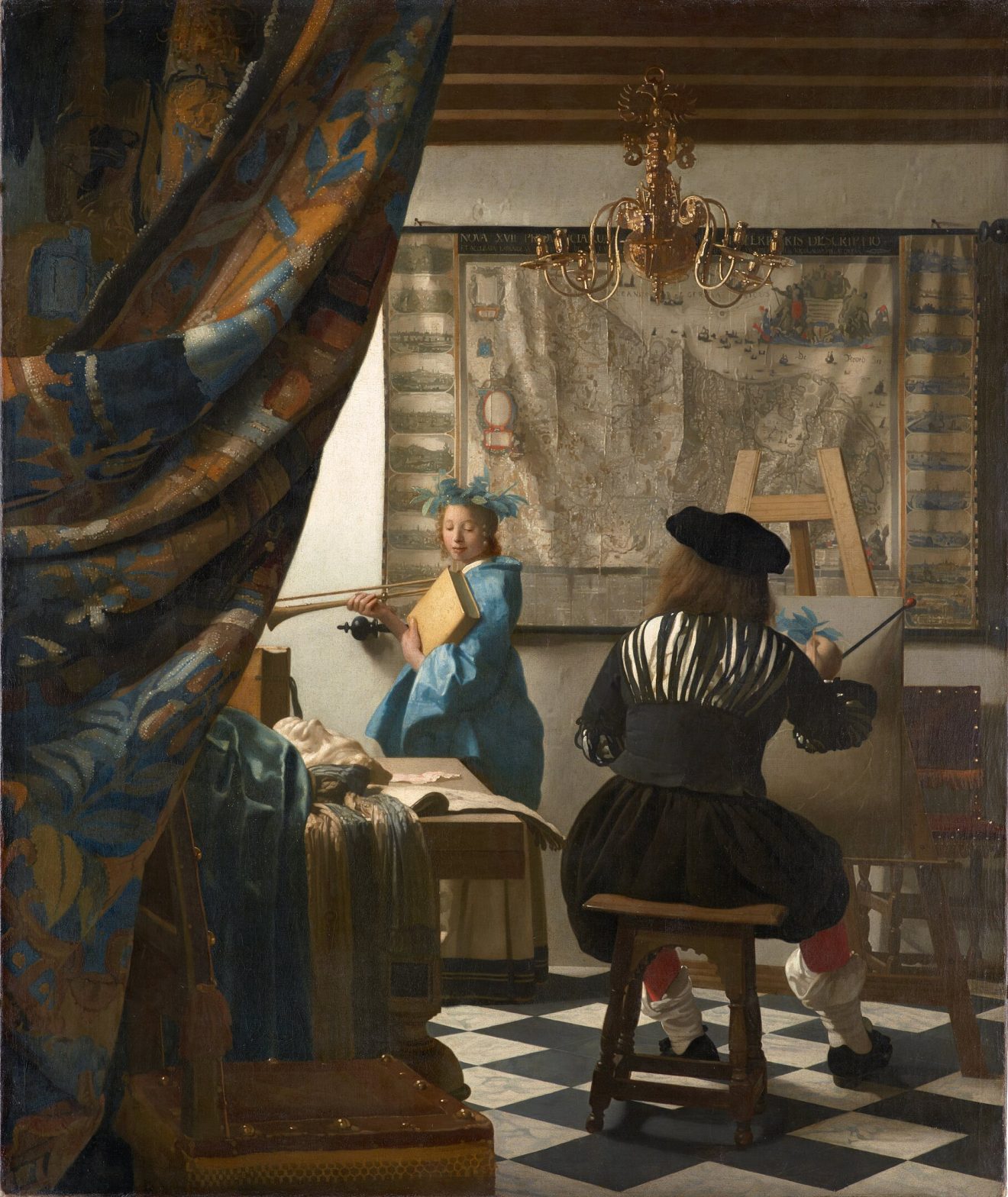
On the checkerboard of life, the right thing is finding its way to you, as you are to it.~ My Mom Artwork: No Title by the author 2024 I love Johannes Vermeer. I'm not going to write too much about him here, but you need to look into his art on your own, especially the piece The Art of Painting …
|
|
Categories: Creativity, Family, For My Kids, Mommess, Research & Development, Search Research, Spiritual Mechanics, Visual Art, Work
|
|
|
|
|
|
|
|
|
|
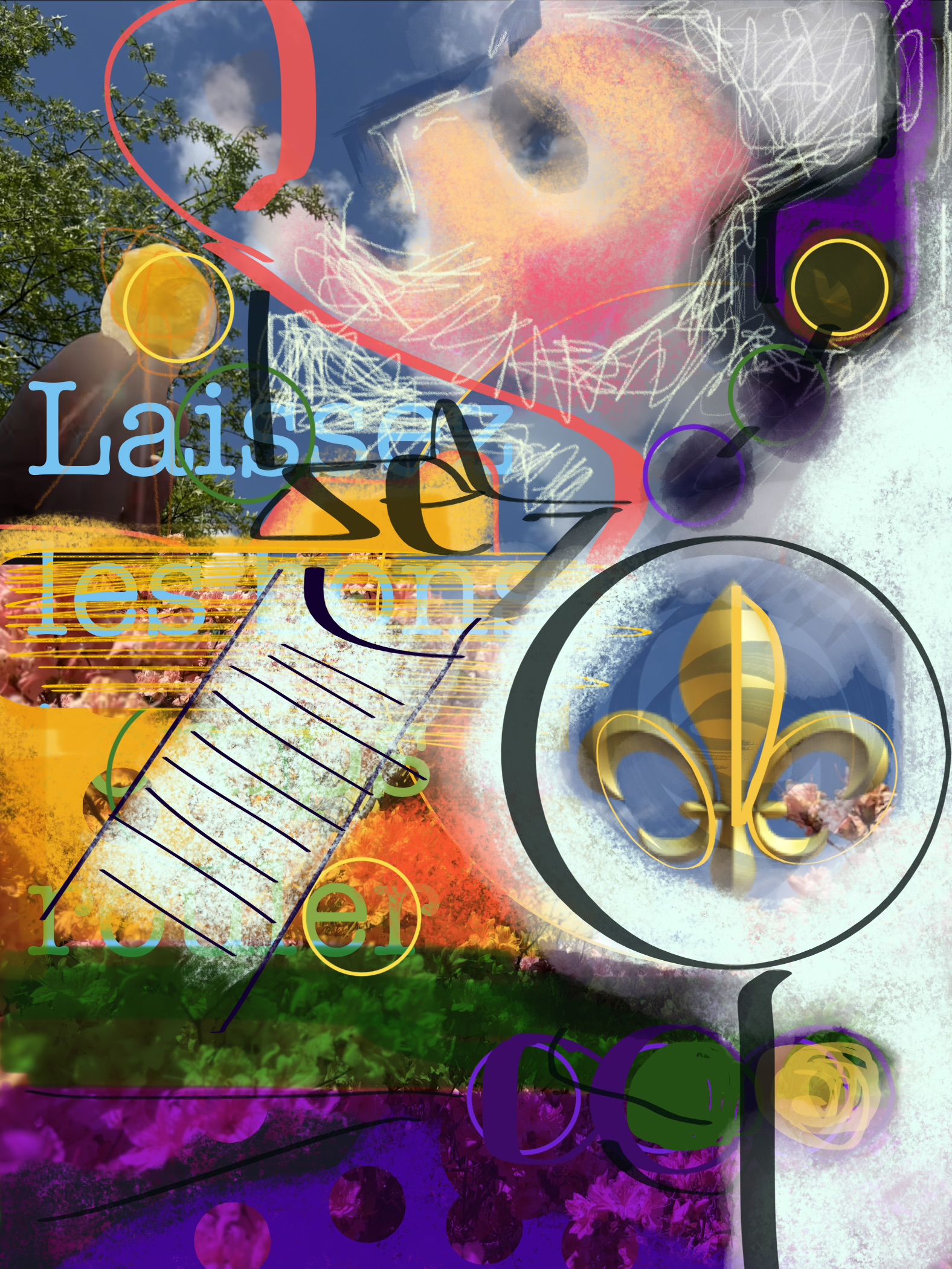
AKA pulling apart a piece of art, with some web-weaving via inappropriate footnoting. This entire piece is about a rapidly made Instagram reel (with high hopes of it nearing high art), along with commentary on provenance, symbols, and freely frolicking on one's found town.1 Preface I had fun this morning, and I hope you have fun reading this. Then, maybe …
|
|
Categories: Best of Mommess, Creativity, For My Kids, Home, Mommess, Quotes, Silly Pop Culture References, Visual Art, Work
|
|
|
|
|
|
You received this email because you signed up here, or I thought you might find this interesting and added you to my weekly roundup of text & images. You may unsubscribe at any time at bottom.
Your replies, questions and comments are welcome. |
|
|
|
|
In the days of AI and excessive optimization, mess is leading edge.
Some content here is political, some personal, much of it philosophical, and all of it meant to shine some light into the lives of my readers, because it was written to shine light into mine.
|
I hope my work stirs your soul, ignites your creativity, and helps you feel connected to all the good things this life can offer. If it doesn't, please promptly forget it!
|
|
|
|
  
|
POLITICAL ACTION AREA It may be best to plug into your local groups, and show up in the ways you can. Peaceful crowd sizes matter, as does your positive energy and adherence to non-violence.
|
As for ways to heal a divisive culture: BE KIND TO OUR LANGUAGE by Timothy Snyder: 6 minute video here.
|
|
|
|
|
|
|
|
|